

Blog
Insights, tutorials, and updates on software testing and QA

Test Collab v1.12 released: Introducing Test Plans, Improved Requirements Management and coverage reports
We’re proud to announce our latest release Test Collab v1.12, which introduces Test Plans, an in-built requirements management engine, new coverage reports: for entire project, version-wise and module-wise and several enhancements and bug fixes.
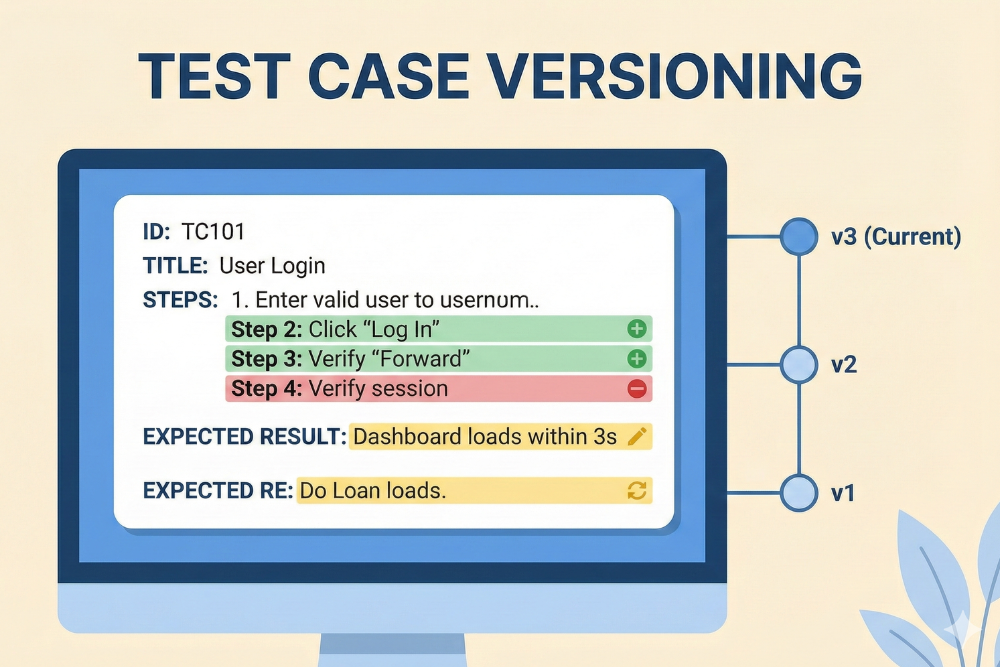
Test Case Versioning: Giving Your Tests A Memory
Do you know Test Collab stores all revisions of your test case? So every time you make a change in your test case, the old revision is automatically stored.

Our latest addition: Execution templates, because we love DRY
Creating same kind of test executions is a hassle, especially when you find yourself selecting same set of cases again and again.


Test case distribution report now launched!
We just released new test case distribution report.

Self-hosted versions price revision
Save big on self-hosted license

New execution interface for faster and flexible executions
Many teams need flexibility in their testing without enforcing order of test cases execution. We’ve now made such a scenario possible with new execution interface.

Test Collab 1.6 released: Assembla and Github Integrations, Execution reports and more
We are proud to announce the release of Test Collab 1.6 today with several important features and enhancements.

Test Collab 1.5 launched, introducing Test Case versioning, Active directory integration and custom fields for test cases
Test Collab 1.5 launched, introducing Test Case versioning, Active directory integration and custom fields for test cases

JIRA 6 plugin for two-way integration with Test Collab
JIRA 6 plugin for two-way integration with Test Collab