
Agentic QA Grew Up. Trust Still Needs a Human Go-Ahead
Agentic QA can run almost any test instruction today. Why the go-ahead still belongs to a human, and why judgment is now the real moat of a QA career.


Insights, tutorials, and updates on software testing and QA
Agentic QA can run almost any test instruction today. Why the go-ahead still belongs to a human, and why judgment is now the real moat of a QA career.
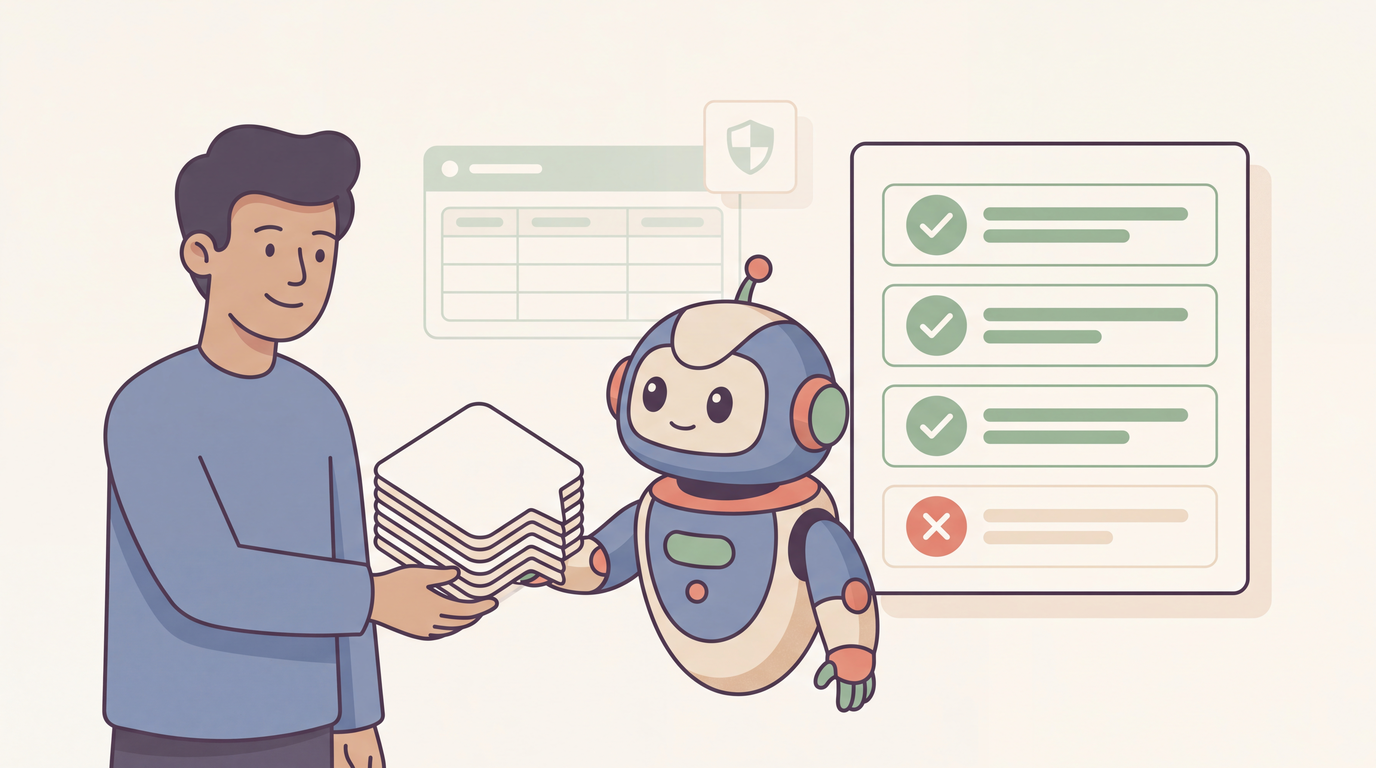
AI agent guardrails are requirements. See how to test them with prompt groups in Gherkin feature files and get a result for each prompt in TestCollab.
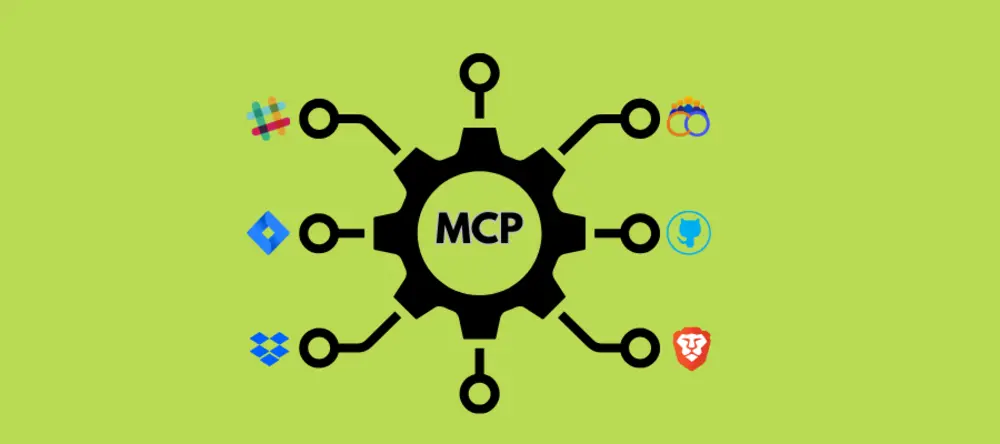
Updated October 2026: what MCP is, how QA teams use it, and how to test an MCP server and the agent on it with prompt groups, test datasets and TestCollab.

AI slop code has turned security testing into proof of work: costly human verification that buys trust. Why this era is temporary, and what outlasts it.
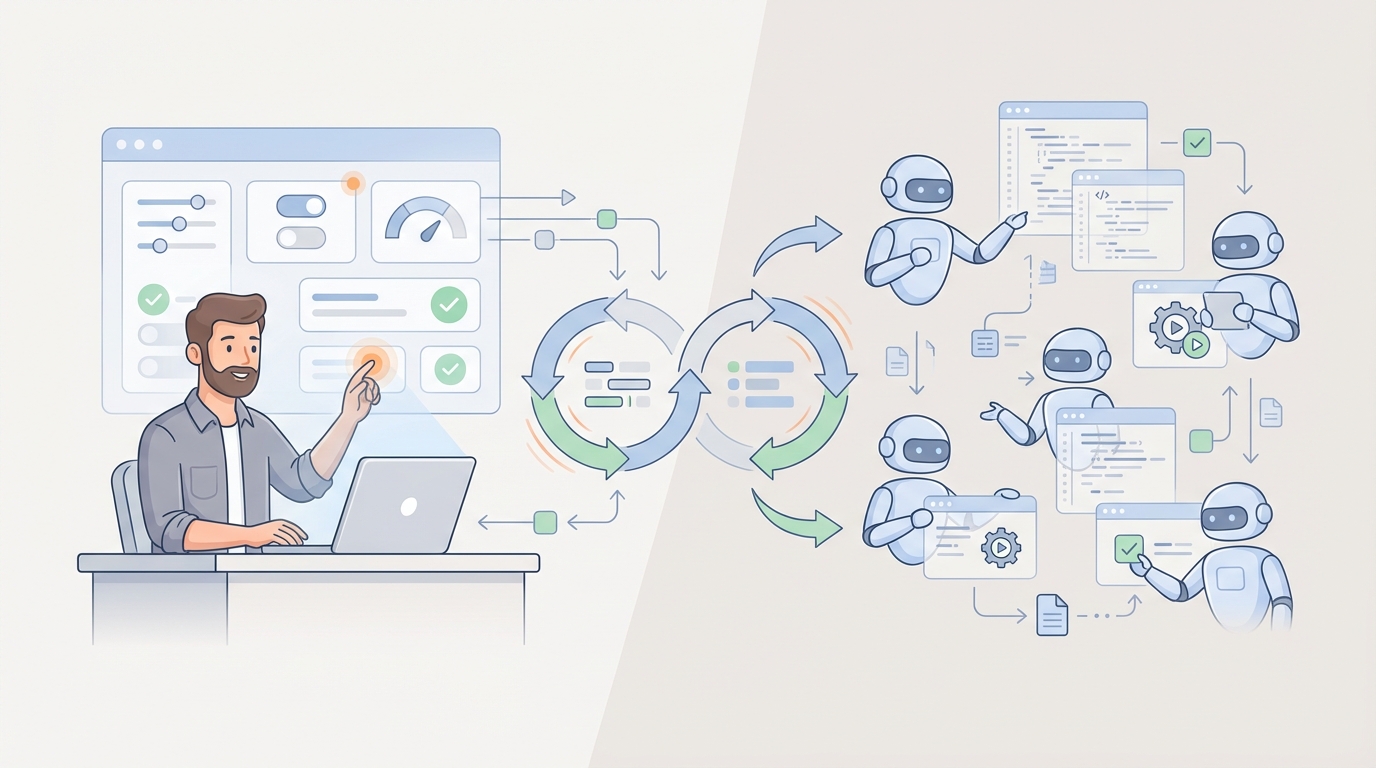
Updated August 2026: what harness engineering means for QA, plus the six reusable primitives every agent harness shares and a five-level maturity model.
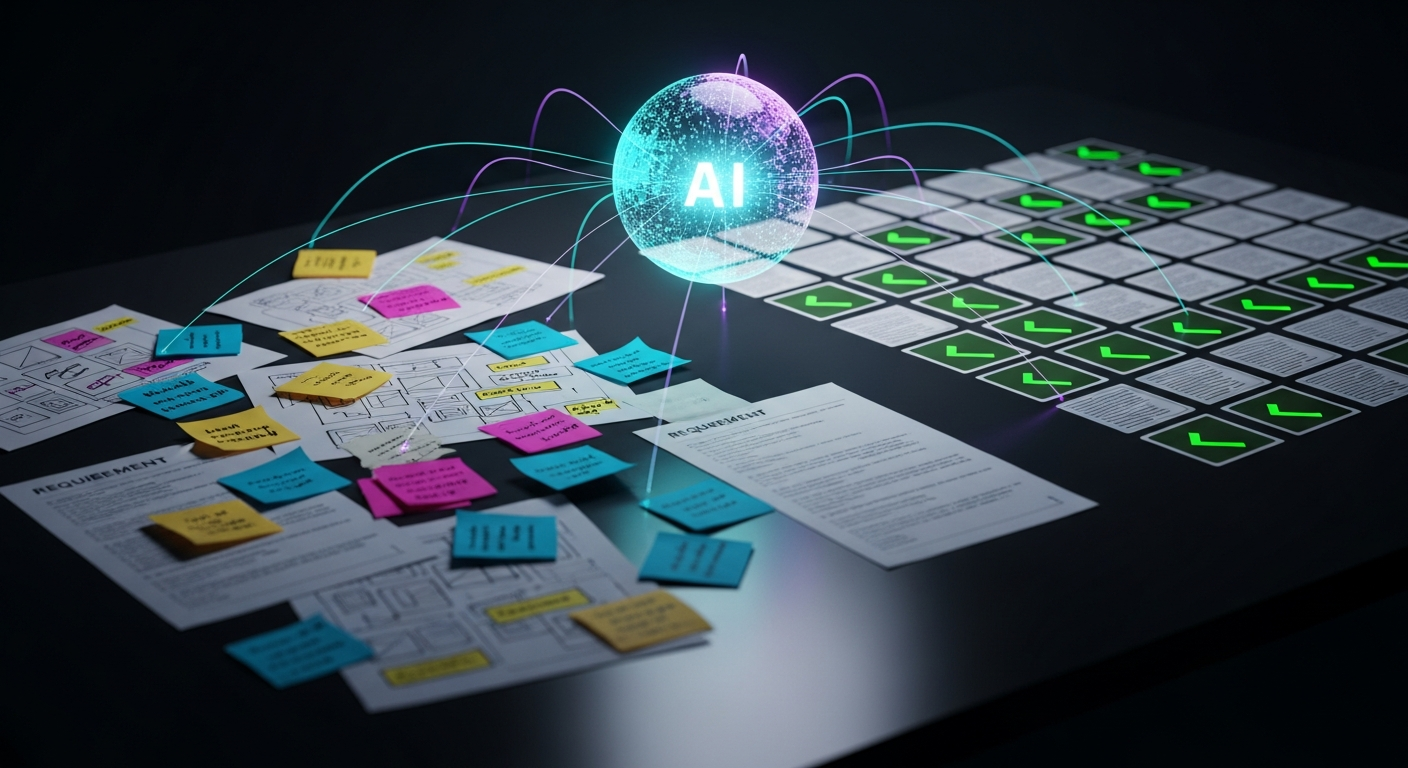
Compare 10 AI test case generation tools for requirements, Jira, screenshots, APIs, and UI automation. See verified features, pricing, and best use cases.
Updated August 2026: hands-on comparison of 10 AI testing tools - TestCollab, Katalon, Testim, Applitools, Mabl, TestMu AI. Verified pricing, AI agent product lines, and where agentic testing fits.
On June 13, 2026, a US order cut foreign access to Claude Fable 5. For QA teams running AI agents, it is a lesson in model risk: the new vendor lock-in.

ISTQB CT-AI v2.0 split AI testing in two and rebuilt it for the LLM era. Here's what the new standard for testing AI systems requires, and how QA teams run it.
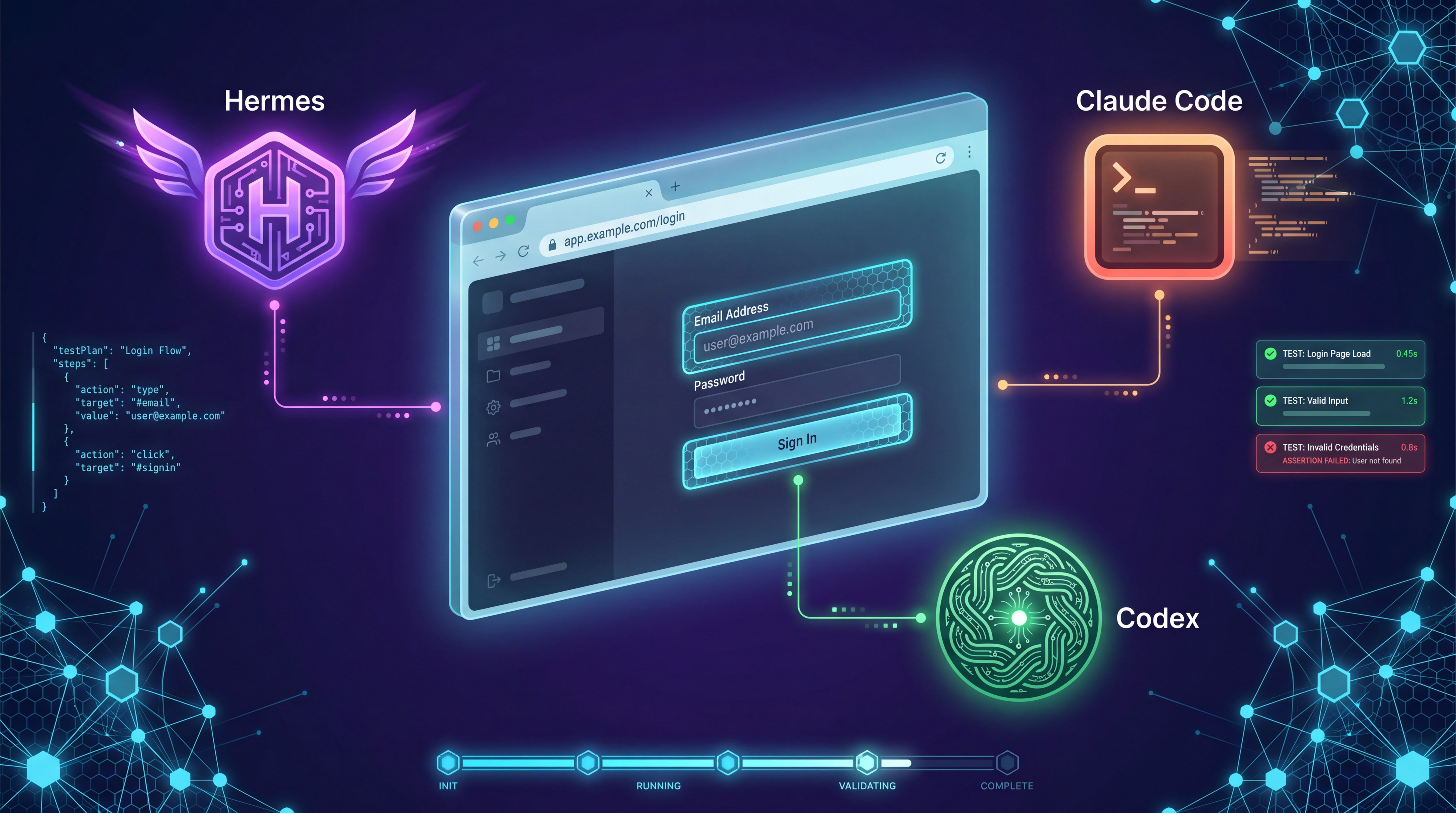
A practical guide to AI in software testing: how QA agents (Hermes, Claude Code, Codex) execute TestCollab test plans via browser automation. Real setup, real results.

Will AI replace QA testers? We break down where AI testing actually stands, what's hype vs reality, and why your QA career isn't going away.

A CMU study of 806 repos reveals AI coding tools like Cursor boost velocity temporarily but create persistent technical debt. Here's what QA teams need to know.


