
Updated August 2026 - re-verified every vendor's pricing against its own pricing page, added the AI agent product lines shipped through mid-2026 (Sauce Labs AURA, Tricentis AI Workspace, Katalon Run with AI, Functionize Studio, mabl Active Coverage), and added a section on AI agent testing tools.
AI is reshaping how QA teams write, execute, and maintain tests. From auto-generating test cases in plain English to self-healing scripts that adapt to UI changes overnight to AI agents that drive a real browser through a curated test plan, modern AI testing tools are cutting manual effort and catching bugs that slip past traditional automation. The space matured fast in the first half of 2026 - what was experimental a year ago is now production-grade for most teams evaluating AI in software testing.
Whether you are a QA lead evaluating new platforms or a developer looking to shift testing left, the landscape of AI-powered testing tools in 2026 offers serious options. We reviewed dozens of platforms and narrowed them down to the top 10 AI testing tools based on AI maturity, ease of use, integrations, and real-world impact.
Here is our curated list - starting with the tool we know best.
Quick Comparison Table
| Rank | Tool | Best For | AI Highlight | Starting Price |
|---|---|---|---|---|
| 1 | TestCollab | AI-powered test management and execution | QA Copilot - writes, runs, and heals tests | $29/user/mo |
| 2 | Katalon | Full-stack testing (web, mobile, API, desktop) | Katalon AI Assistant + Run with AI (beta) | From $70/seat/mo |
| 3 | Testim | Web UI test stability | Smart Locators + Agentic Test Automation (Salesforce) | Custom quote |
| 4 | Applitools | Visual regression testing | Visual AI + Applitools Autonomous | Custom quote |
| 5 | Mabl | Agile/DevOps low-code testing | Agentic Tester + Active Coverage | Custom quote |
| 6 | TestMu AI (formerly LambdaTest) | Cross-browser/device cloud testing | KaneAI + HyperExecute | $15/mo |
| 7 | Functionize | Enterprise NLP-based testing | Functionize Studio (agentic) | Free tier; paid from $20/mo |
| 8 | Tricentis Tosca | Enterprise/SAP testing | Tricentis AI Workspace agents | Custom quote |
| 9 | Sauce Labs | Cloud testing infrastructure | AURA agentic platform | $39/mo |
| 10 | Autify | No-code testing for non-technical teams | Aximo autonomous agent | Free tier |
Want generation, execution, and reporting in one tool? That is the TestCollab row above. QA Copilot writes and runs the tests, and the results stay in the same test management workspace. Try it for 14 days, no credit card.
Start free trialAI Testing Tool Categories in 2026
Before picking a tool, it helps to know which category of AI testing tool you actually need. The space has split into four distinct flavors, each solving a different problem:
- AI-augmented test management: AI sits inside a full test management workflow (authoring, execution, reporting). Generates test cases from requirements, suggests test plans, surfaces risk. Best when QA needs traceability and human oversight. Tools: TestCollab (QA Copilot), Tricentis Tosca.
- Codeless / NLP-based test authoring: Write tests in plain English; the tool turns them into runnable automation. Best for non-technical testers. Tools: TestCollab (QA Copilot), Functionize, Autify, Katalon (Katalon AI Assistant).
- Self-healing test automation: AI keeps existing automated tests stable when the UI changes (smart locators, visual fallback). Best for teams already invested in Selenium/Playwright/Cypress suites. Tools: TestCollab (QA Copilot), Testim, Applitools, Mabl.
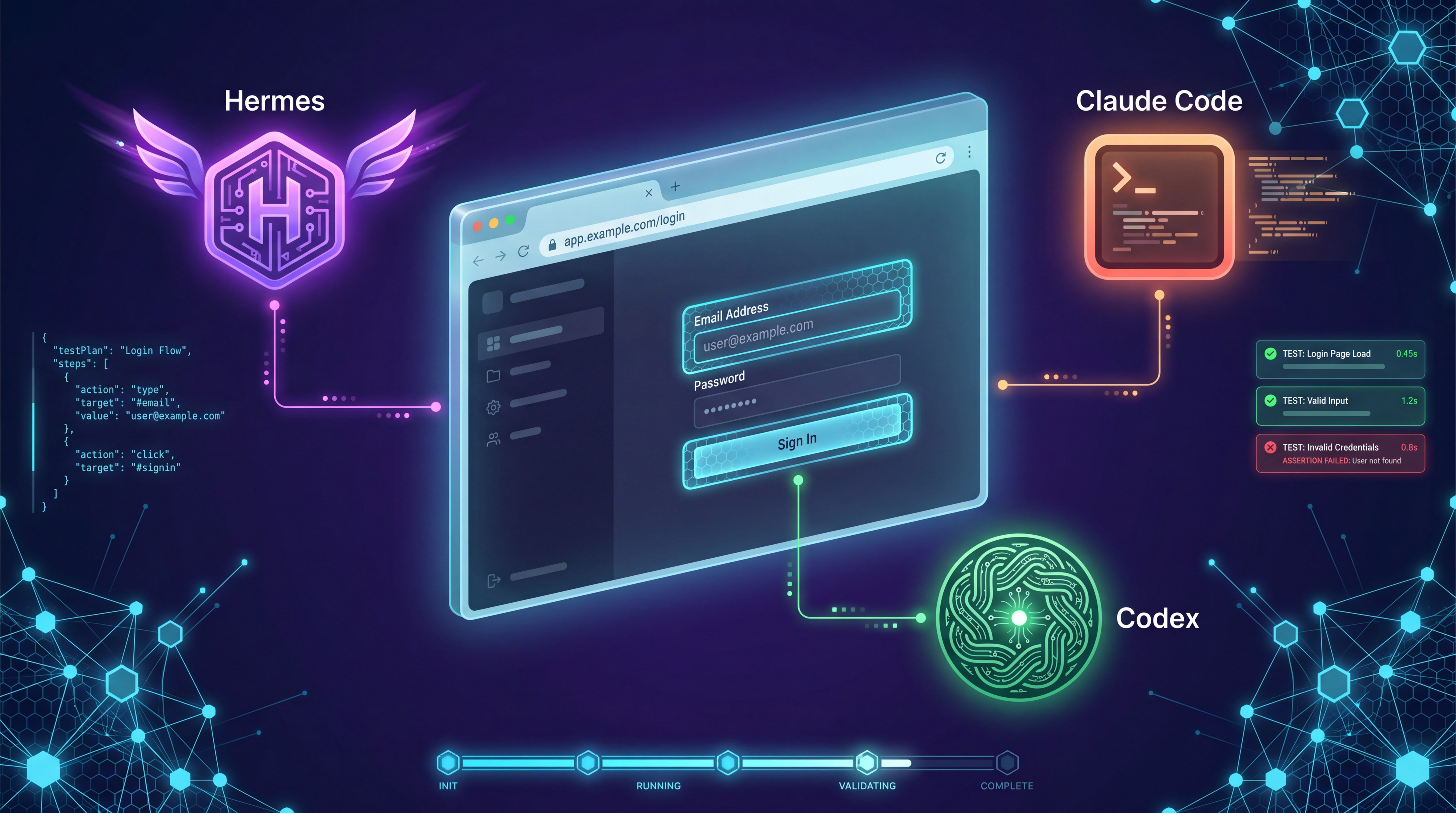
- Agentic execution: An AI agent reads a human-curated test plan and drives a real browser end-to-end, no test scripts required. Best when hand-written E2E suites are too brittle to maintain. This is the category that moved fastest in 2026 - most vendors on this list now ship a named agent product. Tools: TestCollab QA agents and Hermes, Claude Code, Codex, Sauce Labs AURA, Tricentis AI Workspace, Katalon Run with AI, Functionize Studio, mabl Agentic Tester, TestMu AI KaneAI, Autify Aximo.
Most teams end up with a tool from category 1 (the system of record) plus optional pieces from categories 2–4. The list below is ordered by overall capability, but the right pick depends on which category dominates your QA workflow.
1. TestCollab - AI Agent That Writes, Runs, and Heals Your Tests
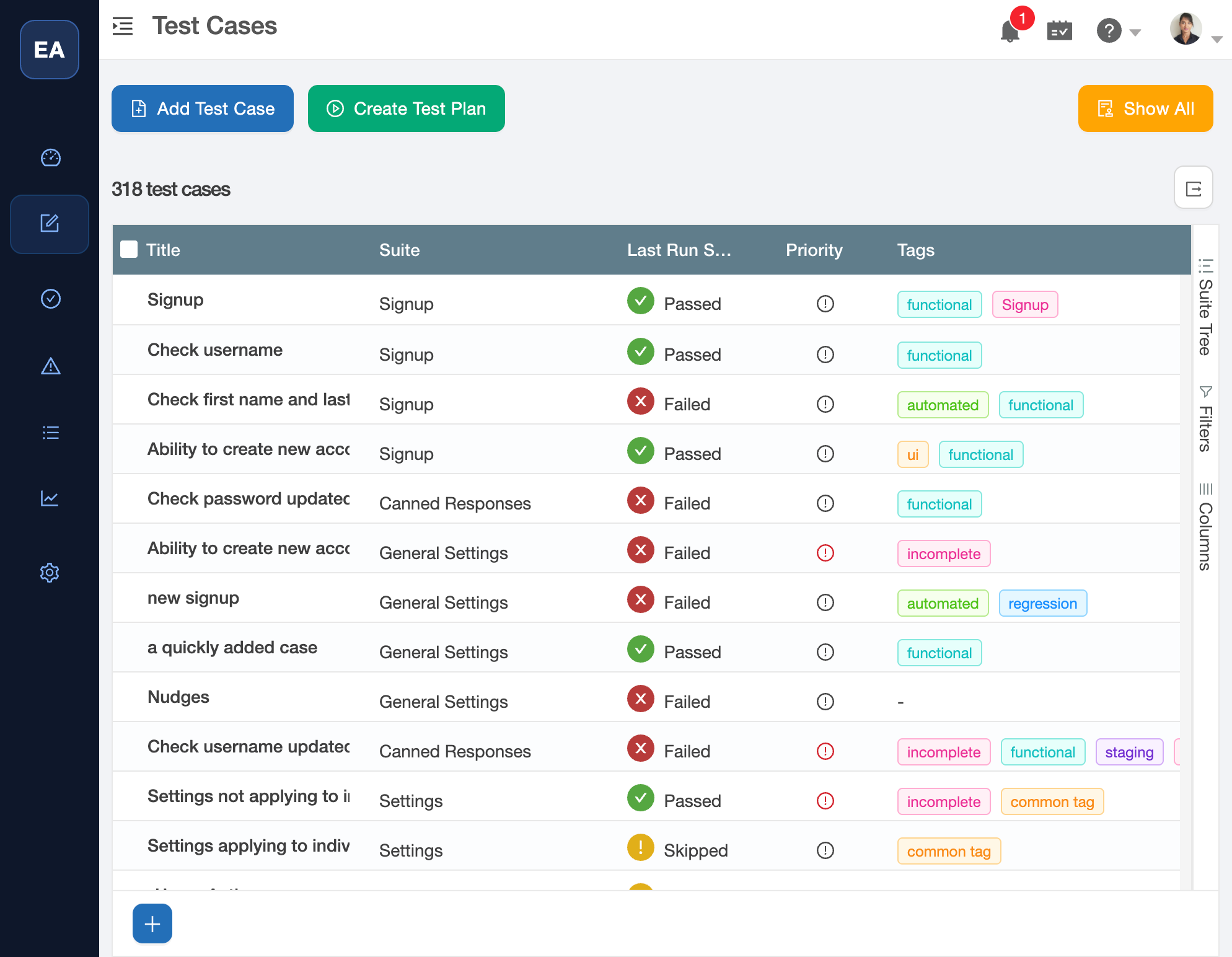
TestCollab combines full-lifecycle test management with an AI agent (QA Copilot) that handles test creation, execution, and maintenance. Unlike standalone automation tools, TestCollab integrates AI directly into the test management workflow so teams can generate tests, run them, and review results in a single platform.
The QA Copilot turns plain-English scenarios into structured test cases in under 90 seconds. Upload a screenshot, paste a requirement, or share a URL - the AI drafts test cases with titles, steps, and expected results. Everything goes through a human approval workflow before it becomes a real test case.
Key AI Features
- AI test case generation from screenshots, requirements text, URLs, or spreadsheet uploads (CSV / XLSX / ODS)
- Agentic execution: pair the TestCollab CLI with Hermes Agent, Claude Code, or Codex to have an AI agent drive a real browser through your test plan and upload pass/fail results
- One-click test automation - converts manual test cases into runnable code without programming
- Failed-click detection (pixel-diff) prevents the AI from "self-healing" into a false positive
- Auto-healing tests that adapt to minor UI changes (DOM selector shifts, text updates)
- Human-in-the-loop approval - AI suggests, your team decides
- Video evidence and deterministic assertions for every test run
Beyond AI - Full Test Management
- Custom execution statuses and custom fields
- Test case version control with diff tracking
- Reusable test steps and synced suites across projects
- Integrations with Jira, Azure DevOps, GitHub, GitLab, Selenium, Playwright
- Requirements traceability matrix and end-to-end traceability
- REST API, CI/CD integration, and MCP Server for AI-assisted workflows
Pricing
- Free 14-day trial (no credit card required)
- Premium: $29 per user/month
- Elite: $39 per user/month (includes QA Copilot, parameterized testing, custom statuses)
- Enterprise: Custom pricing with SSO and self-hosting
Pros
- AI is embedded in the test management workflow, not bolted on
- Human approval gates prevent bad AI-generated tests from reaching production
- Video-backed test evidence for compliance and audit trails
- 80% accuracy on benchmarks, trained on thousands of test cases
- Fast onboarding with clean, modern interface
Cons
- Smaller community compared to legacy tools
- QA Copilot requires Elite plan or higher
Try TestCollab free | Learn more about QA Copilot
2. Katalon - AI-Augmented Full-Stack Testing Platform
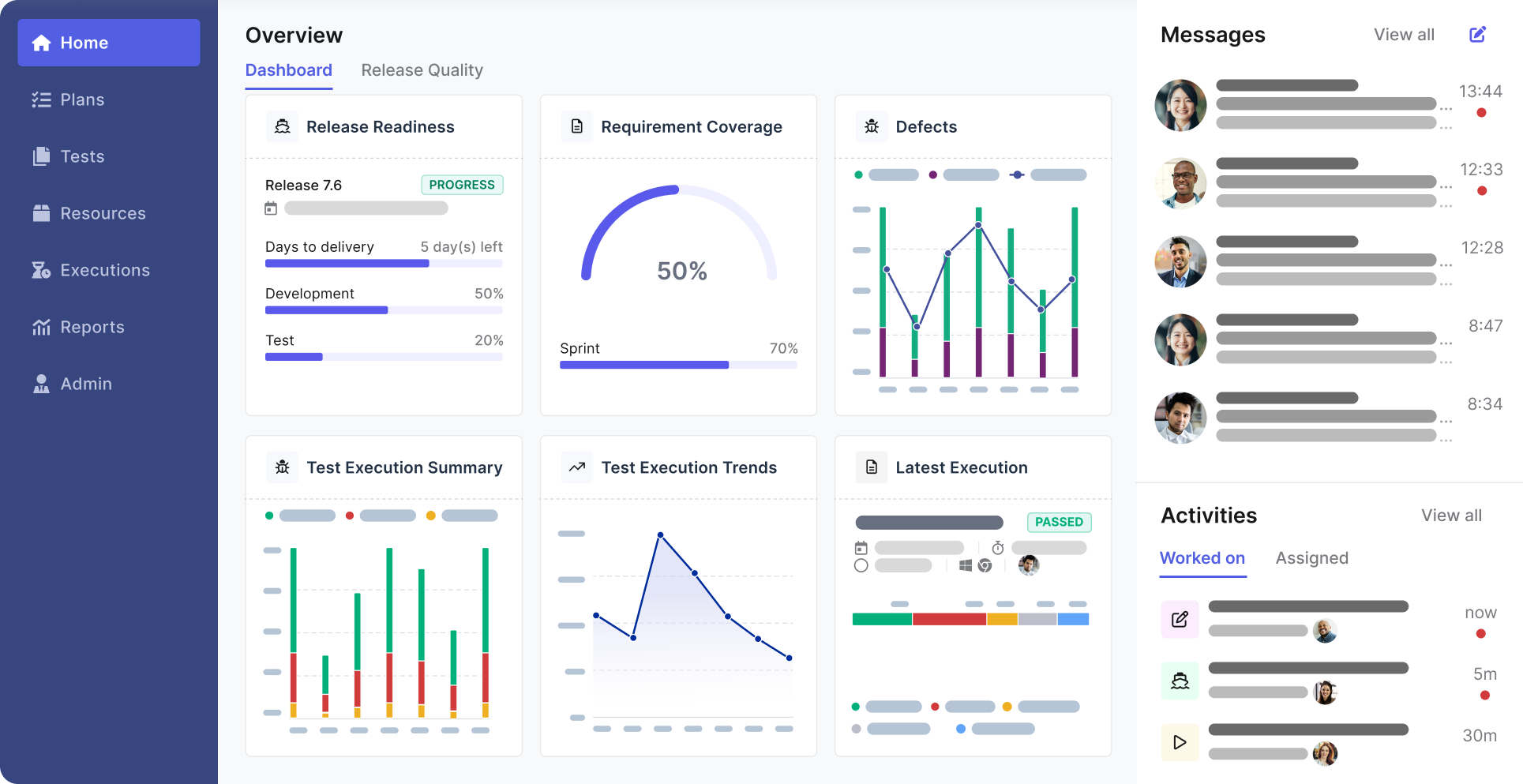
Katalon is an AI-augmented quality management platform covering web, mobile, desktop, and API testing. It bridges the gap between no-code recording and full scripting, making it accessible to both manual testers and developers.
Key AI Features
- Katalon AI Assistant (formerly StudioAssist) - turns natural language descriptions into executable test cases
- Run with AI - a prompt-to-script agentic loop: describe a test in plain language, an autonomous agent executes it against your live app, and it returns a ready-to-run Katalon Studio script. Katalon still labels this beta
- True Production Insights (formerly TrueTest) - maps real user journeys from production against regression coverage and auto-generates the missing tests. Sold as a paid add-on, not included in a seat
- AI-powered visual UI comparison for regression testing
- No-code test recording with low-code extensibility and full scripting option
In April 2026 Katalon launched True Platform, positioned as a trust and accountability layer for agentic software delivery: it wraps the AI agents in audit trails, traceability, and human approval gates.
Pricing
- No free plan. Free access is limited to the Katalon Studio desktop IDE's core functionality after a 30-day trial
- True Platform: $70/seat/month, or $700/seat/year at online checkout ($900 list)
- True Automation: $200/seat/month, or $2,000/seat/year online ($2,500 list)
- Katalon Studio Enterprise: $229/seat/month, or $1,000/seat/year for the first 3 seats and $2,199 from the 4th
- The older Create, Expand, and Scale tiers have been retired
- Enterprise pricing on request
Pros
- Covers web, mobile, API, and desktop testing in a single platform
- Gentle learning curve from no-code to pro-code
- Active community and extensive documentation
Cons
- Advanced AI features locked behind higher tiers
- Can feel heavy for teams that only need web testing
3. Tricentis Testim - Self-Healing Web UI Tests
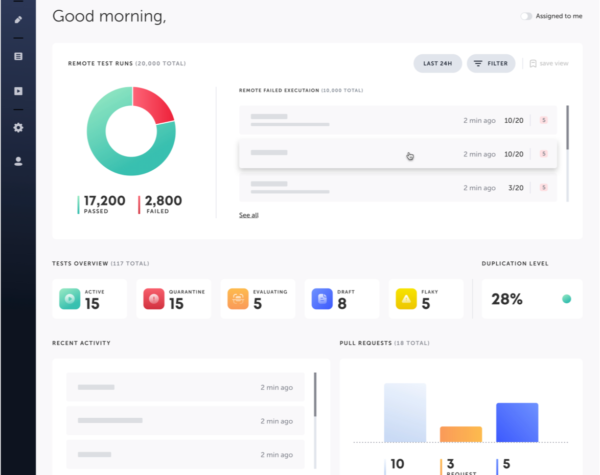
Testim (now part of Tricentis) accelerates UI testing for web and cloud-native applications with AI-powered stability features. The platform focuses on keeping tests resilient when the application under test changes.
Key AI Features
- Smart Locators - detect changes in element attributes to keep tests stable and self-healing
- Agentic Test Automation - builds tests automatically from natural language descriptions. Note this is scoped to Testim Salesforce; the Testim Web tier lists smart locators but no agentic authoring
- AI-driven failure analysis with root cause suggestions, screenshots, and logs
- Parallel cross-browser test execution on the Testim grid
In March 2026 Tricentis launched AI Workspace, an agentic platform with four named agents (Agentic Quality Intelligence, Agentic Test Automation, Agentic Performance Testing, and Agentic Test Creation). These are anchored to Tosca and qTest rather than to Testim.
Pricing
- Free Community tier, available as a downgrade once a trial expires
- No published price. Tricentis lists all Testim tiers as "Contact Us" and does not publish a per-seat or per-month rate
- Enterprise pricing is custom
Pros
- Excellent self-healing makes tests low-maintenance
- Good for teams that struggle with flaky UI tests
- Strong failure analysis with visual diffs
Cons
- Focused on web UI testing - not a full test management platform
- Pricing can add up for larger teams
4. Applitools - AI-Powered Visual Testing Leader
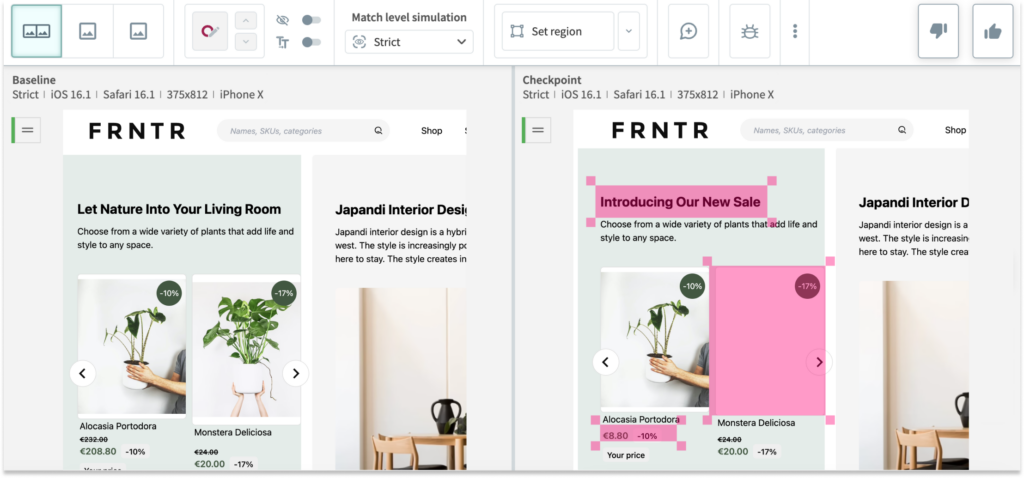
Applitools is the leading AI-powered visual testing platform. Its proprietary Visual AI technology mimics the human eye to detect visual regressions that functional tests miss entirely.
Key AI Features
- Applitools Autonomous - auto-generates tests and applies Visual AI checkpoints
- Self-Healing Tests - adapts to UI changes automatically
- Smart Locators - AI-powered element identification that stays stable across layout changes
- Integrates with 60+ test frameworks (Selenium, Cypress, Playwright, WebdriverIO)
Pricing
- No published price. All three tiers (Starter, Public Cloud, Dedicated Cloud) read "Contact us"
- Tiers differ by deployment model, data retention, SSO, and compliance rather than by product
- Free trial offered on Starter
Pros
- Best-in-class visual regression detection
- Works alongside existing test frameworks rather than replacing them
- Cross-browser visual consistency checking at scale
Cons
- Premium pricing - expensive for smaller teams
- Primarily focused on visual testing, not full test management
5. Mabl - Low-Code AI Testing for Agile Teams
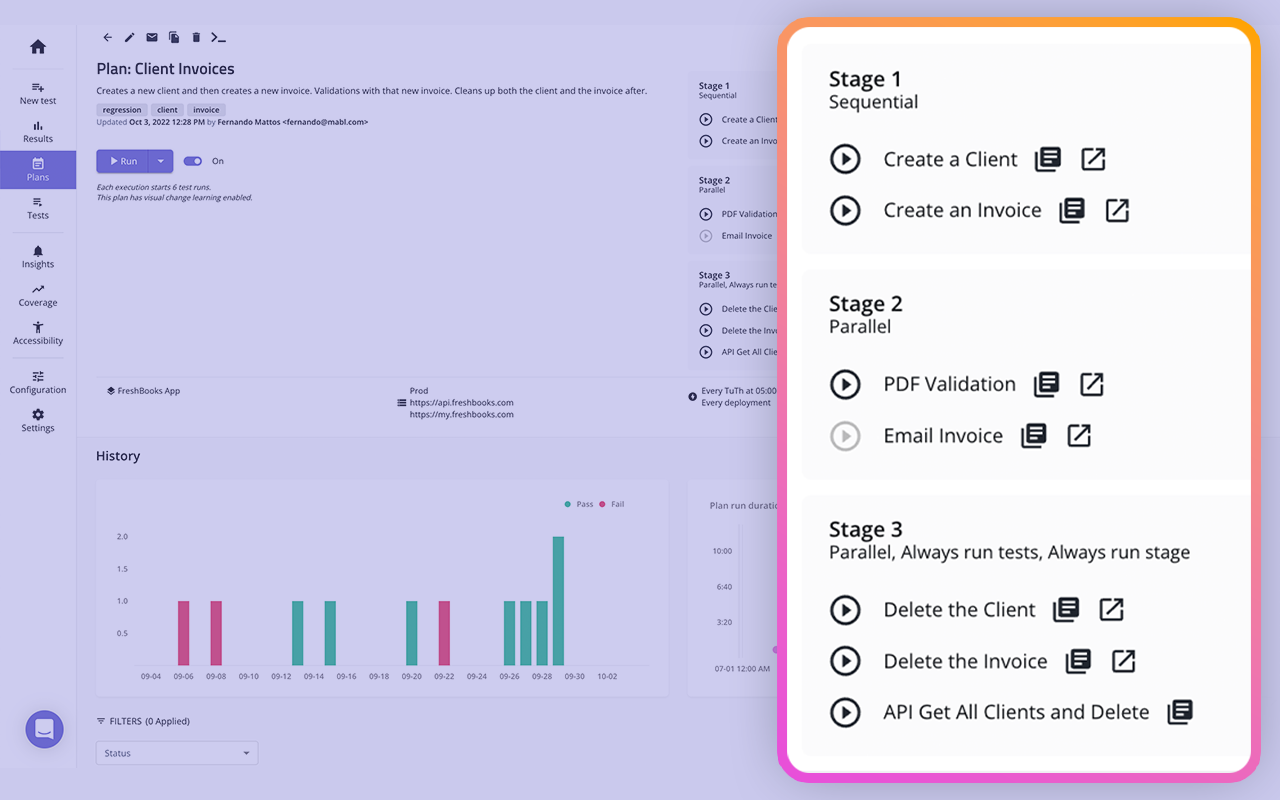
Mabl is a low-code, AI-driven test automation platform for web, mobile, and API testing. It is built for Agile and DevOps teams seeking intelligent test creation and maintenance without heavy scripting.
Key AI Features
- Agentic Tester - an AI digital teammate that assists with quality assurance
- Test Creation Agent - generative AI that helps build tests from natural language
- Conversational results analysis (formerly Auto TFA) - AI-powered root cause analysis for test failures
- Active Coverage (April 2026) - mabl's umbrella name for five capabilities working continuously together: Agent Instructions, Cloud Test Generation, Runtime Recovery, Conversational Results Analysis, and an Atlassian Rovo integration
- Machine learning-driven test maintenance that adapts tests to app changes
Pricing
- 14-day free trial
- Plans start with 500 credits/month for cloud runs
- Custom pricing (contact Mabl for quotes)
- Unlimited local test runs included
Pros
- Strong CI/CD integration out of the box
- Low learning curve for non-technical testers
- Good root cause analysis saves debugging time
Cons
- Credit-based cloud pricing can be unpredictable
- Less flexibility for complex custom test scenarios
6. TestMu AI (formerly LambdaTest) - AI-Native Cross-Browser Testing at Scale
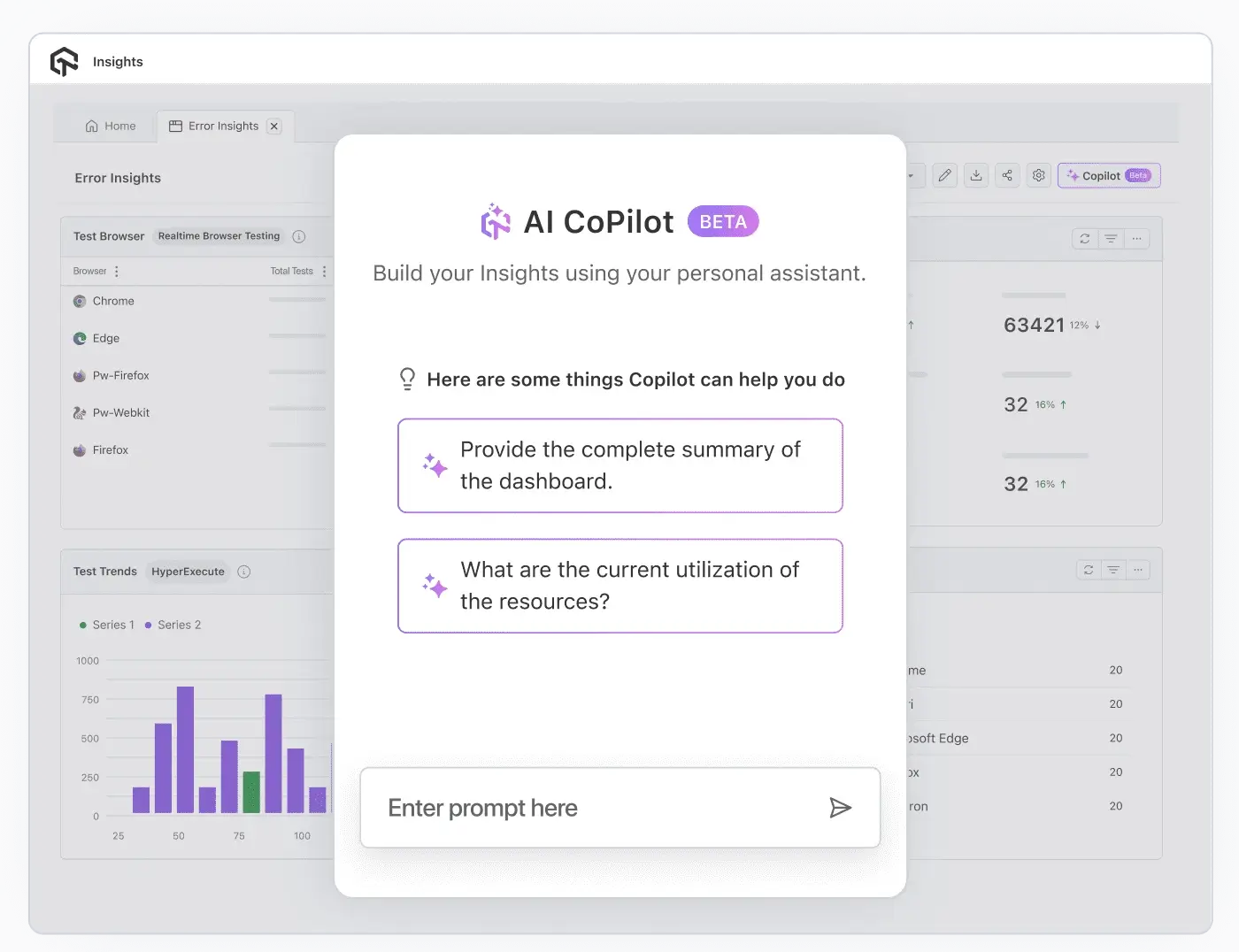
TestMu AI is an AI-native test execution platform providing cloud infrastructure for running tests across 3,000+ browser and OS combinations. LambdaTest rebranded to TestMu AI in January 2026 - lambdatest.com now redirects to testmuai.com, and the vendor states that accounts, test scripts, capabilities, API keys, CI/CD integrations, plan names, and prices all carry over unchanged.
Key AI Features
- KaneAI - agentic AI that creates, plans, and debugs tests using natural language
- HyperExecute - AI-optimized test orchestration for fast parallel execution
- AI-native root cause analysis, flaky test detection, and anomaly detection
- Supports Selenium, Appium, Playwright, Cypress with 120+ integrations
Pricing
- Free tier available
- Paid plans start at $15/month (Virtual Live, per parallel session, billed annually)
- Pricing is split across separate modular tracks, so $15/month buys manual cross-browser Live testing only - automation, real devices, and KaneAI are billed separately
- Advanced plans with real devices and AI insights at $129-$275/month
- Enterprise pricing is custom
Pros
- Massive browser/device coverage (3,000+ combinations)
- Affordable entry point compared to competitors
- Fast parallel execution with HyperExecute
Cons
- AI features (KaneAI) are relatively new and still maturing
- Primarily a test execution platform, not a test management tool
7. Functionize - Enterprise NLP-Based Test Automation
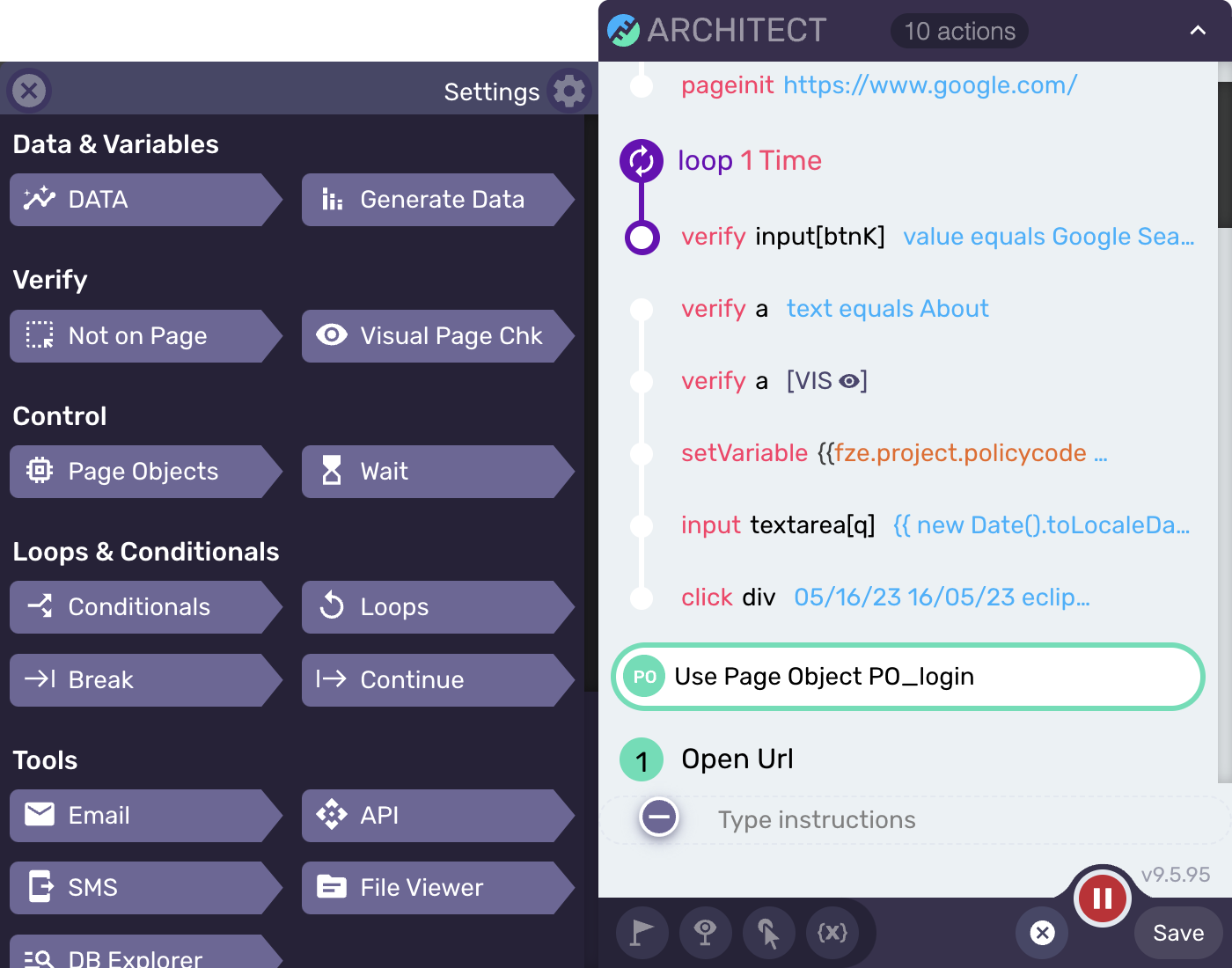
Functionize is an AI-native enterprise testing platform that uses NLP to let non-technical users write tests in plain English. It boasts 99.97% element recognition accuracy trained on 30,000+ data points per page over 8 years.
Key AI Features
- NLP-based test creation - write tests in plain English, no coding required
- Self-Healing Technology - automatically detects and fixes broken tests
- 99.97% element recognition accuracy
- Smart parallel execution with adaptive handling of minor UI changes
In July 2026 Functionize launched Functionize Studio, an agentic quality platform pitched as an independent counterpart to coding agents rather than an assistant to them.
Pricing
Functionize now publishes a self-serve ladder (it was quote-only when we last reviewed it). Individual tiers: Free $0/month (200 credits/month, 5 parallel runs), Pro $20/month (400 credits), Max $100/month (2,000 credits). Team tiers, shown after toggling to the Team view: Growth $40/user/month (400 credits) and Scale $200/user/month (2,000 credits). Enterprise remains custom.
Pros
- Plain English test writing lowers the barrier to entry
- Very high element recognition accuracy reduces false failures
- Enterprise-grade reliability and scale
- Now has a genuine free tier and a $20/month entry point
Cons
- Credit-based metering makes cost harder to predict than per-seat pricing
- Enterprise-focused - may be overkill for small teams
- Smaller ecosystem compared to open-source alternatives
8. Tricentis Tosca - AI Agents for Enterprise and SAP Testing
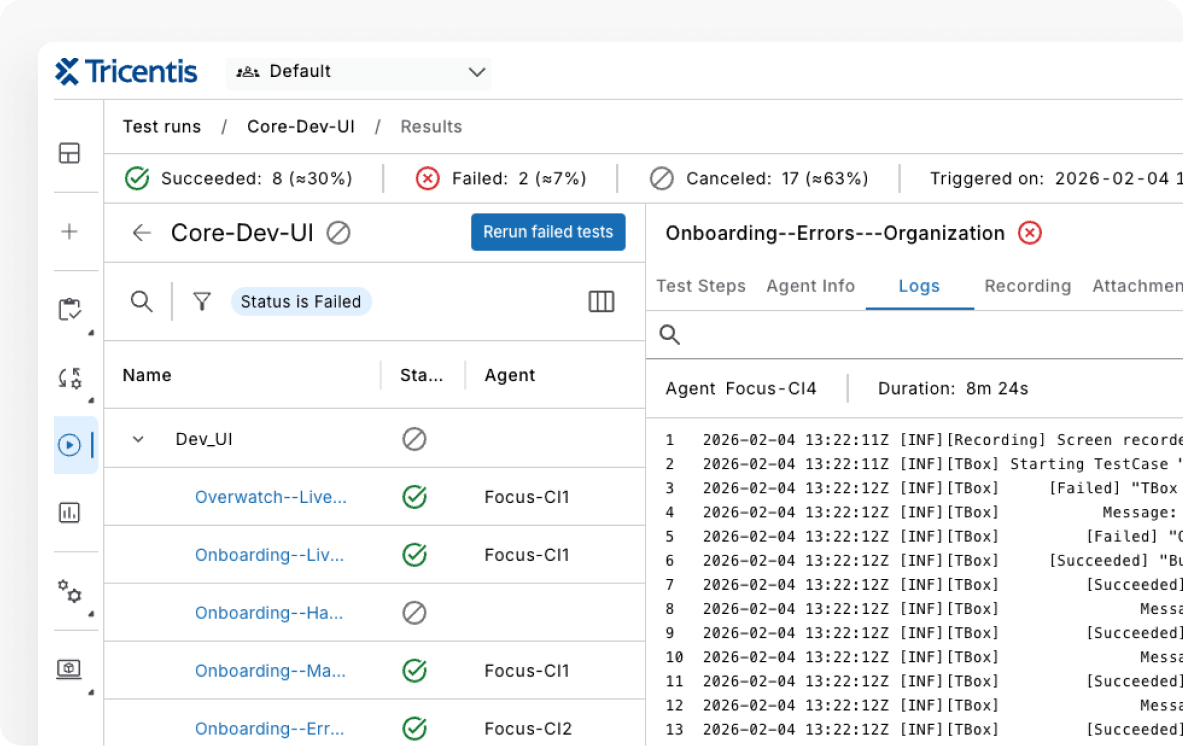
Tricentis Tosca is an enterprise-grade, codeless continuous testing platform with AI agents purpose-built for test automation. It is particularly strong in SAP and complex enterprise application testing.
Key AI Features
- Tricentis AI Workspace (March 2026) - a unified control tower for agentic quality engineering, embedding governance, approvals, and auditability into execution. It ships four named agents: Agentic Quality Intelligence, Agentic Test Automation, Agentic Performance Testing, and Agentic Test Creation
- Model-based test automation - separates test design from implementation
- Risk-based testing that prioritizes test execution based on business risk
- AI-powered analysis that adapts existing test assets and merges them into smarter tests
Pricing
- Subscription-based, custom enterprise pricing
- Generally considered premium - targeted at large organizations
- Contact Tricentis for quotes
Pros
- Industry leader for SAP and complex enterprise testing
- Model-based approach simplifies maintenance at scale
- Risk-based prioritization helps focus testing effort where it matters
Cons
- Steep learning curve
- Premium pricing puts it out of reach for most small/mid-size teams
- Vendor lock-in with proprietary model-based approach
9. Sauce Labs - Cloud Testing with AI Agents
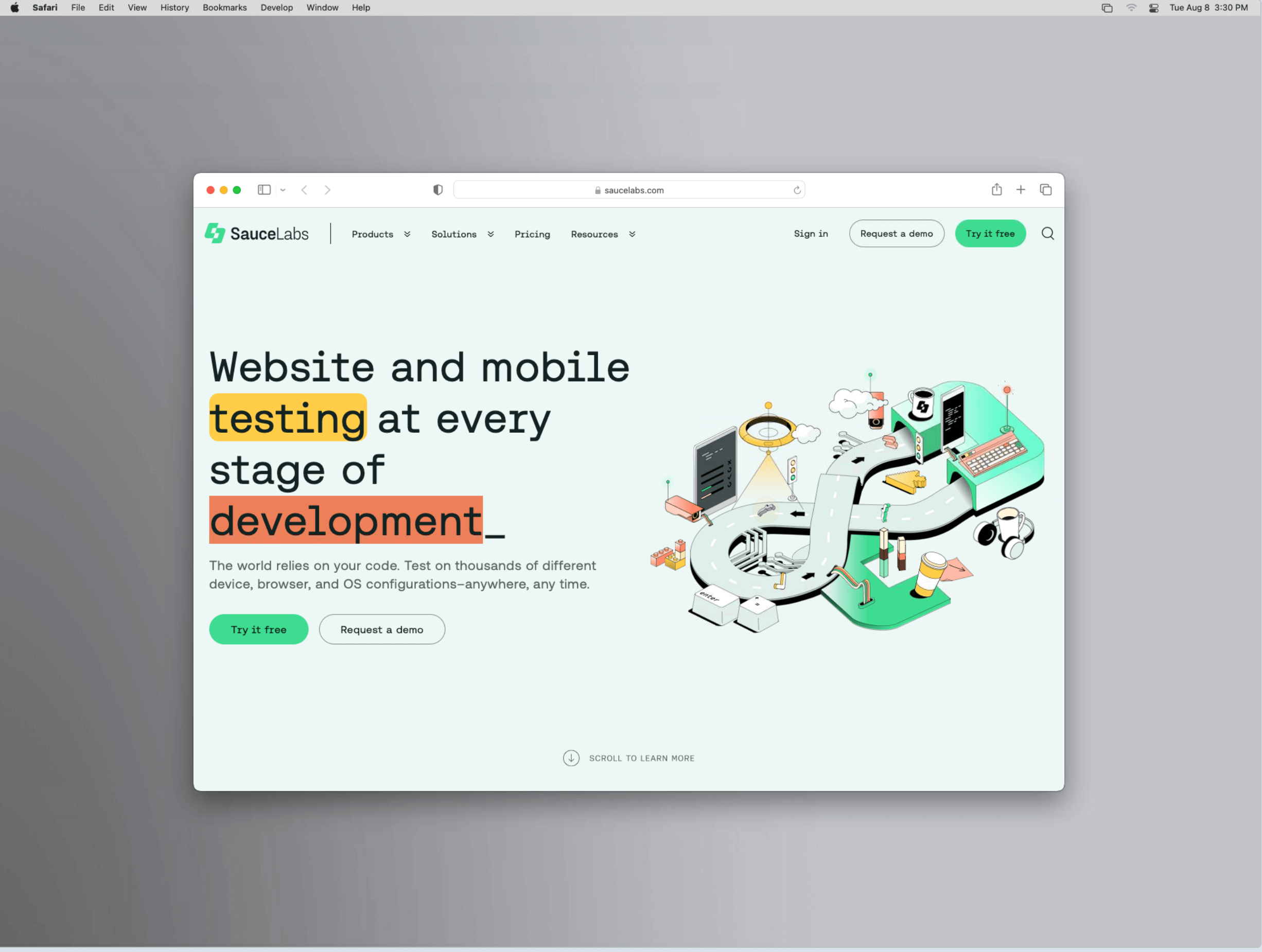
Sauce Labs is a comprehensive cloud testing platform offering cross-browser, mobile, and visual testing with AI-powered insights. In July 2026 it relaunched around AURA, and the platform is now positioned primarily as an AI code verification layer rather than as test infrastructure.
Key AI Features
- AURA (AI-Unified Release Assurance), launched July 2026 - described by Sauce Labs as a closed-loop agentic platform that authors, runs, and analyzes tests with human oversight, aimed at verifying AI-generated code at the pace it is written
- Sauce AI Agents - auto-generate, execute, debug, and update tests autonomously
- AI-powered real-time analytics and insights for tracking performance and quality
- Integrated visual testing for pixel-perfect UI validation
Pricing
- Live Testing: $39/month billed annually ($49 month-to-month)
- Virtual Device Cloud: $149/month annual ($199 monthly)
- Real Device Cloud: $199/month annual ($249 monthly)
- Enterprise pricing is custom
Pros
- Broad browser and device coverage
- Strong analytics and reporting
- Well-established platform with mature infrastructure
Cons
- Can be expensive for full feature access
- AI Agents are a newer addition - still evolving
- Primarily execution infrastructure, not a test management tool
10. Autify - No-Code AI Testing for Everyone
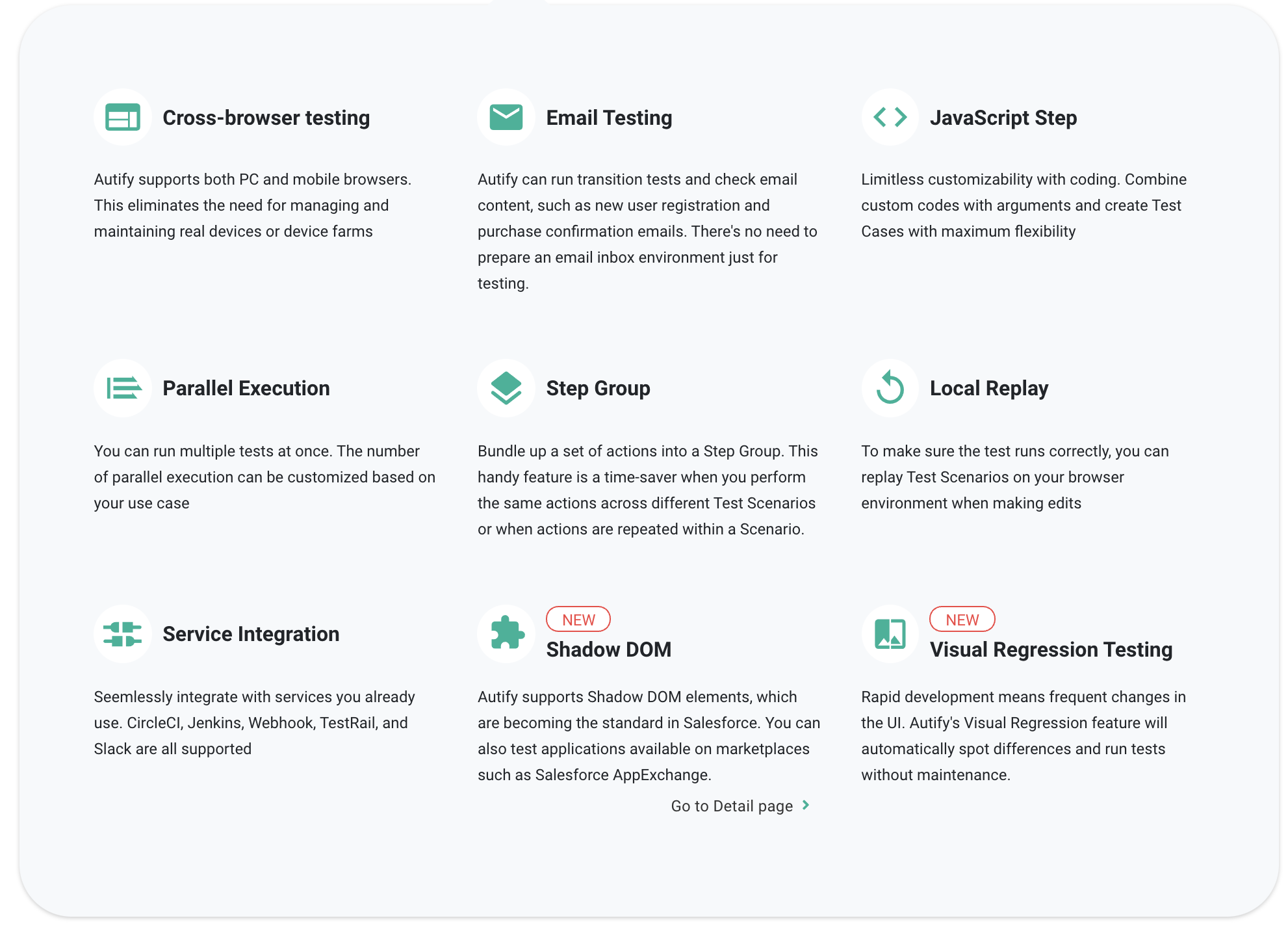
Autify is a no-code AI testing platform built on Playwright, designed for teams that want to automate web and mobile testing without deep technical expertise. Its newest product, Aximo, is a fully autonomous AI testing agent.
Key AI Features
- Aximo - AI testing agent that uses natural language and visual recognition to autonomously generate and execute E2E tests
- Autify Genesis - AI-powered test case generation from requirements
- Self-healing test scenarios that auto-update when the UI changes
- Cross-browser and native mobile testing (Android and iOS)
Pricing
- Free tier available for individual testers (Autify Nexus)
- Professional tier for small teams (2-5 members)
- Enterprise for multiple teams/apps
- Contact sales for specific pricing
Pros
- Truly no-code - accessible to non-technical team members
- Built on Playwright provides solid browser automation foundation
- Strong self-healing capabilities
Cons
- Less flexibility for complex test scenarios
- Autonomous agents may require careful review for critical test paths
- Enterprise pricing details not publicly available
AI Agent Testing Tools: What Changed in 2026
"AI testing tool" and "AI agent testing tool" are no longer the same product. Through the first half of 2026 nearly every vendor on this list shipped a named agent, and the category split into two distinct things worth buying:
Tools where AI assists a human author. The AI drafts a test case, suggests a locator, or explains a failure, but a person still owns the test. This is where AI authoring assistants, self-healing locators, and failure-analysis features sit.
Tools where an agent does the job end to end. You hand over a goal or a test plan, and the agent drives a real browser, decides what to click, and reports back. The human role shifts from authoring to reviewing.
Here is where each vendor's agent product landed as of August 2026:
| Vendor | Agent product | Shipped | What the agent actually does |
|---|---|---|---|
| TestCollab | QA Agent Directory | Mid-2026 | Ten job-scoped agents (regression, smoke, E2E, API, performance, security, accessibility, static analysis, compliance, SEO) that log evidence into the linked test run |
| Sauce Labs | AURA | Jul 2026 | Closed-loop platform that authors, runs, and analyzes tests with human oversight |
| Functionize | Functionize Studio | Jul 2026 | Agentic quality platform positioned as an independent counterpart to coding agents |
| Katalon | Run with AI (beta) | Apr 2026 | Prompt-to-script loop: agent executes against the live app, returns a runnable script |
| mabl | Agentic Tester / Active Coverage | Apr 2026 | Five capabilities running continuously: instructions, cloud generation, runtime recovery, results analysis, Rovo |
| Tricentis | AI Workspace | Mar 2026 | Control tower coordinating four agents, with governance and approvals built into execution |
| Autify | Aximo | Pre-2026 | Moves through the application like a real user, autonomously |
| TestMu AI | KaneAI | Pre-2026 | Creates, plans, and debugs tests from natural language |
The pattern worth noting: the credible agent products all kept a human gate. Tricentis embeds "governance, approvals and auditability directly into execution", Sauce Labs specifies "with human oversight", and Katalon frames True Platform as a "trust and accountability layer". Nobody serious is shipping unsupervised autonomy into a release pipeline, and you should be wary of any vendor that claims otherwise.
If you are evaluating agent testing tools specifically, the questions that separate them are narrower than the general AI-testing checklist:
- Can the agent be scoped to a single change (a merged PR, one deploy) rather than the whole suite?
- Does its evidence land in the test run your team already reviews, or in a separate console?
- What happens when the agent is wrong? Is there a review gate, or does it just mark a test passed?
- Is agent usage priced per seat, per credit, or bundled? Credit metering (mabl, Functionize, TestMu AI) makes cost harder to forecast than per-seat.
- Can it run against localhost or a private network, or does it require a public URL?
TestCollab's answer to these is its directory of AI testing agents: ten agents scoped to one job each rather than one general-purpose agent, every run writing evidence back into the linked test plan, and failures requiring reviewer sign-off before they count. See the regression testing agent and end-to-end testing agent for how a single job is scoped.
How to Choose the Right AI Testing Tool
Selecting the best AI testing tool depends on your team's specific needs. Here are the key factors to consider:
1. What type of testing do you need?
- Visual regression testing: Applitools
- Cross-browser/device testing: TestMu AI or Sauce Labs
- Full test management + AI: TestCollab
- Enterprise/SAP testing: Tricentis Tosca
2. What is your team's technical skill level?
- Non-technical testers: Autify or Functionize (no-code/NLP-based)
- Mixed teams: Katalon or Mabl (low-code to pro-code)
- Developer-heavy teams: Testim or TestMu AI
3. How important is human oversight?
If your industry requires compliance, audit trails, or regulatory testing, look for tools with human-in-the-loop workflows. TestCollab's QA Copilot is designed specifically for this - AI proposes, humans approve.
4. What is your budget?
- Free/affordable: TestMu AI ($15/mo), Functionize (free tier, paid from $20/mo), Autify (free tier)
- Mid-range: TestCollab ($29-39/user/mo), Sauce Labs ($39/mo), Katalon (from $70/seat/mo)
- Quote-only: Tricentis Tosca, Testim, Applitools, mabl - none of these publish a price, so budget planning requires a sales conversation
The Bottom Line
AI testing tools in 2026 are no longer experimental - they are production-ready platforms that reduce manual effort, improve test coverage, and accelerate release cycles. The best tool for your team depends on whether you need full test management (TestCollab), visual testing (Applitools), cross-browser execution (LambdaTest), or enterprise-scale automation (Tricentis Tosca).
For teams that want AI integrated directly into their test management workflow - from generation through execution to reporting - TestCollab's QA Copilot delivers the most complete package with human oversight baked in.
The newer frontier across all of these tools is agentic execution: instead of recording or scripting, an AI agent reads a human-curated test plan and drives a real browser. See our walkthrough of AI in software testing with QA agents - three agents (Hermes, Claude Code, Codex) executing the same TestCollab test plan with real pass/fail results.
FAQ
What are AI testing tools?
AI testing tools use artificial intelligence and machine learning to automate parts of the software testing lifecycle. This includes generating test cases from requirements, self-healing broken tests, detecting visual regressions, and analyzing test failures to identify root causes.
Are AI testing tools replacing manual testers?
No. The best AI testing tools augment human testers rather than replacing them. AI handles repetitive tasks like test generation and maintenance while humans focus on exploratory testing, edge cases, and test strategy. Tools like TestCollab enforce this with human approval workflows.
How accurate are AI-generated test cases?
Accuracy varies by tool and use case. TestCollab's QA Copilot reports 80% accuracy on benchmarks. Most tools recommend human review of AI-generated tests before they reach production, which is why human-in-the-loop workflows are important.
Can AI testing tools integrate with my existing CI/CD pipeline?
Yes, most modern AI testing tools integrate with CI/CD platforms like Jenkins, GitHub Actions, and GitLab CI. Tools like TestCollab, Katalon, LambdaTest, and Mabl all offer native CI/CD integrations.
What is the difference between AI test automation and traditional test automation?
Traditional test automation requires writing and maintaining test scripts manually. AI test automation uses machine learning to generate tests from natural language or requirements, self-heal broken tests when the app changes, and intelligently prioritize which tests to run. The result is less maintenance overhead and faster test creation.
What are AI agent testing tools?
AI agent testing tools are platforms where an AI agent executes a testing job end to end rather than assisting a human author. You give it a goal or a test plan; it drives a real browser, decides what to interact with, and reports results. As of August 2026 the named products are TestCollab's QA Agent Directory, Sauce Labs AURA, Functionize Studio, Katalon Run with AI (beta), mabl Agentic Tester, Tricentis AI Workspace, Autify Aximo, and TestMu AI KaneAI. The practical difference from older AI testing tools is who owns the test: with agents, the human role moves from writing to reviewing.
Are there free AI agent testing tools?
Partly. Functionize has a genuine free tier ($0/month, 200 credits) and Autify's Aximo Free gives 2,000 one-time credits, both of which include agent functionality at small volume. TestMu AI has a free tier for cross-browser testing, though KaneAI is billed separately. Katalon no longer has a free plan - free access is limited to the Katalon Studio desktop IDE after a 30-day trial. Most agent products meter usage by credits, so "free" generally means a small monthly allowance rather than unlimited use.
What is agentic AI testing?
Agentic AI testing is the 2026 evolution of AI test automation: instead of generating test scripts, an AI agent reads a human-curated test plan and drives a real browser end-to-end - clicking, typing, and verifying like a manual tester would. It bridges the gap between brittle hand-written E2E suites and slow manual QA. TestCollab supports this pattern via the TestCollab CLI + QA agents (Hermes, Claude Code, Codex), with humans staying in control of what to test while the agent handles executing it.
What's the difference between "AI testing tools" and "AI in software testing"?
"AI testing tools" refers to specific platforms (the ten compared above). "AI in software testing" is the broader discipline - the practice of using AI across the QA lifecycle: test case generation, automated execution, self-healing, defect prediction, risk-based prioritization, agentic browser-driving, and AI-assisted reporting. The tools above are the how; AI in software testing is the what and why. Most teams adopting AI in software testing combine 2–3 tools across the categories listed earlier in this post.
Are AI testing tools secure for enterprise and regulated industries?
Yes, but with caveats. For regulated industries (healthcare, finance, government), look for tools with: human-in-the-loop approval workflows, on-premise / private deployment options, audit logs of AI-generated content, and SOC 2 / ISO 27001 compliance. TestCollab's private deployment and Tricentis Tosca are typical enterprise picks. Avoid sending production data through AI features unless the vendor explicitly documents data handling and model retention policies.