
Using Docker to manage and replicate test environments
About 5 years back I started this business, Test Collab, ever since then I was fortunate enough to work with so many developers, managers and testers.


Insights, tutorials, and updates on software testing and QA
About 5 years back I started this business, Test Collab, ever since then I was fortunate enough to work with so many developers, managers and testers.

Imagine you’ve joined a new organization as a QA manager and you see a great product. The product you think which can be next big thing.
A part of me can’t help but feel overwhelmed every time I see all these brand new awesome tools available which promises so much. More tools bring me more pressure, but they also bring insane improvements in how things get done in a team.

Testing mobile apps is a big challenge because of complexity involved: you have multiple devices carriers, battery life, limited space and so much to take care of. Go through this simple list to speed up your mobile app testing and shorten the release cycle.

Ranorex is easy-to-use test automation software (yet available for Windows OS only). A step-by-step wizard helps to set up the test environment and quickly get started.

For many teams it is essential to work with different branches at same time so the main repository stays stable while development can still progress at a fast rate.
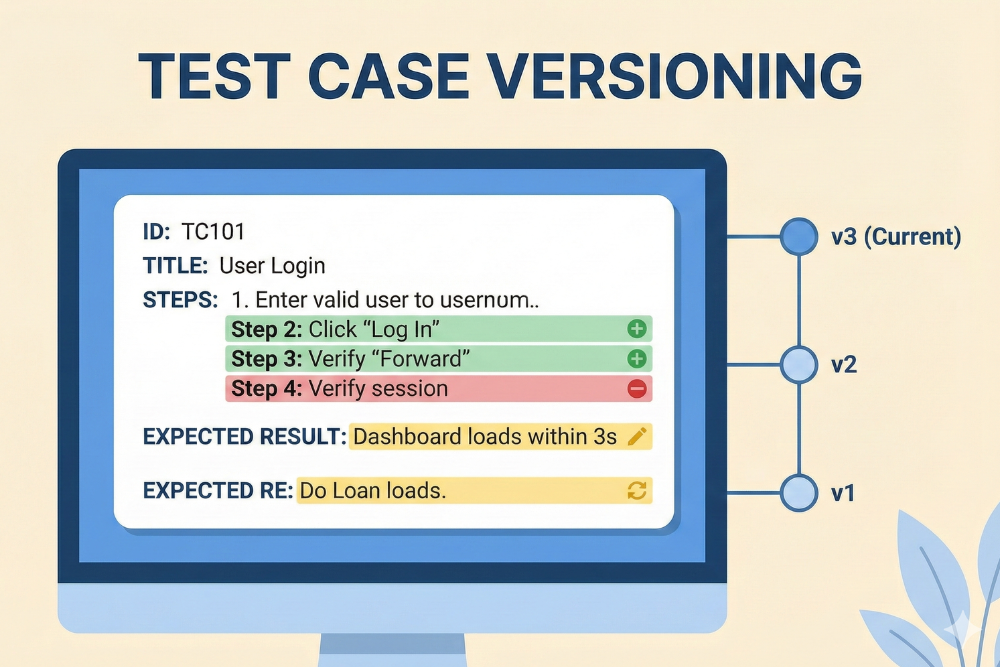
Do you know Test Collab stores all revisions of your test case? So every time you make a change in your test case, the old revision is automatically stored.

Imagine being able to track your manual and automated test results from a same place. Sounds cool right? With Test Collab not only you can do exactly that but also assign tests to human or machine with just a few clicks without messing up with a dozen APIs or doing custom code.

I remember few weeks after our launch (in mid 2011), a potential customer emailed us saying that he needs to convince his team that using Test Collab would be better than using Excel for their software projects.

I’ve discussed about DRY in software testing earlier also which involved reusing test cases across projects, today I’m going to discuss a similar topic: reusability/repurposing of test cases within project itself.

A software tester should have a working understanding of the steps needed to “test” a software program functionalities. In software engineering, a software tester uses a structured set of procedures to execute what is known as a “test case”.


