
Update (July 2026): The TestCollab AI QA agent directory is now live, with ten focused agent workflows for release, engineering, governance, and growth checks. This article has been updated to reflect the launch while preserving the thinking that led us here.
When we first published this announcement in March, autonomous QA agents were the next step in our roadmap. The core idea was simple: give a focused agent a clear quality objective, approved access, and a way to evaluate its work. Let it perform the repetitive checks, collect evidence, and return the decision to a human.
That direction is now visible in TestCollab.
Autonomous QA Agents Teams Can Explore Now
The new directory organizes autonomous QA agents around distinct jobs instead of presenting one vague, all-purpose bot.
Release teams can explore agents for regression testing, smoke testing, end-to-end testing, API testing, application security testing, and performance testing. Specialist workflows extend the same evidence-first approach to accessibility, static code analysis, compliance controls, and technical SEO audits.
Each agent starts with a defined scope. Your team sets the environments, credentials, policies, thresholds, and release-gate behavior. The agent performs the approved checks and returns the artifacts needed to understand what happened, including screenshots, logs, traces, diffs, or source context where applicable.
Two platform capabilities apply across the directory:
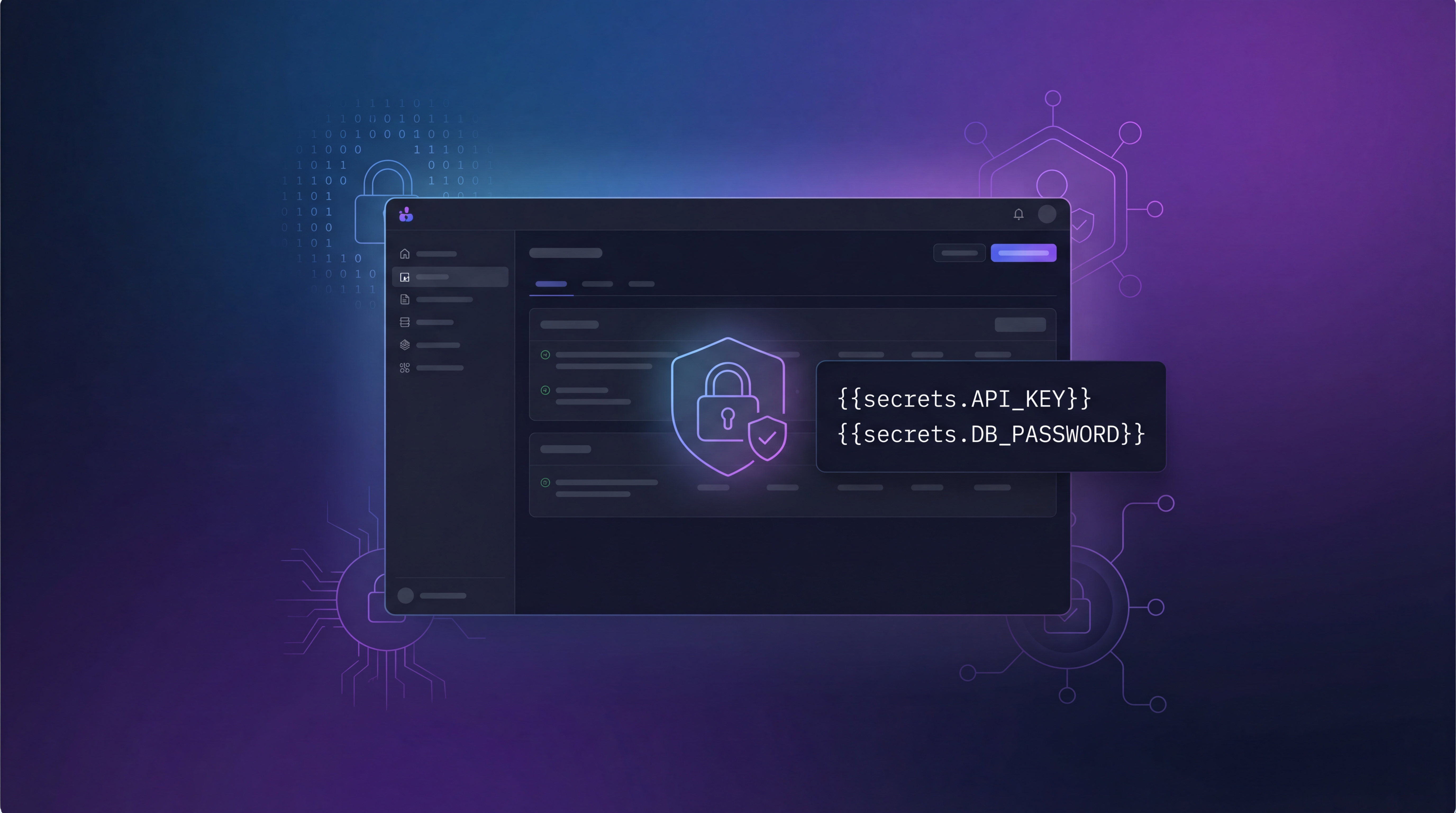
- Optional self-hosted deployment with an open-source model keeps sensitive source code, credentials, test data, and run artifacts in your environment when required.
- Webhook and scheduled execution lets teams start checks after a deployment, pull request, CI/CD event, API call, recurring schedule, or manual request.
Why We Started Building Autonomous QA Agents
One influence was Andrej Karpathy's open-source autoresearch project. It demonstrates a compact loop: a human defines the objective and evaluation method, while an agent runs experiments, measures the result, keeps useful changes, and discards the rest.
As Karpathy put it:
"the human iterates on the prompt (.md) - the AI agent iterates on the training code (.py)."
The same pattern applies to software quality when the objective and boundaries are explicit. A QA agent can inspect change context, choose an approved check, execute it, evaluate the result, and attach evidence. The human does not disappear from the loop. The human designs and governs it.
This is part of a broader shift toward harness engineering, where teams build the context, tools, permissions, and evaluation loops that let agents work reliably.
From QA Copilot to Specialist Testing Agents
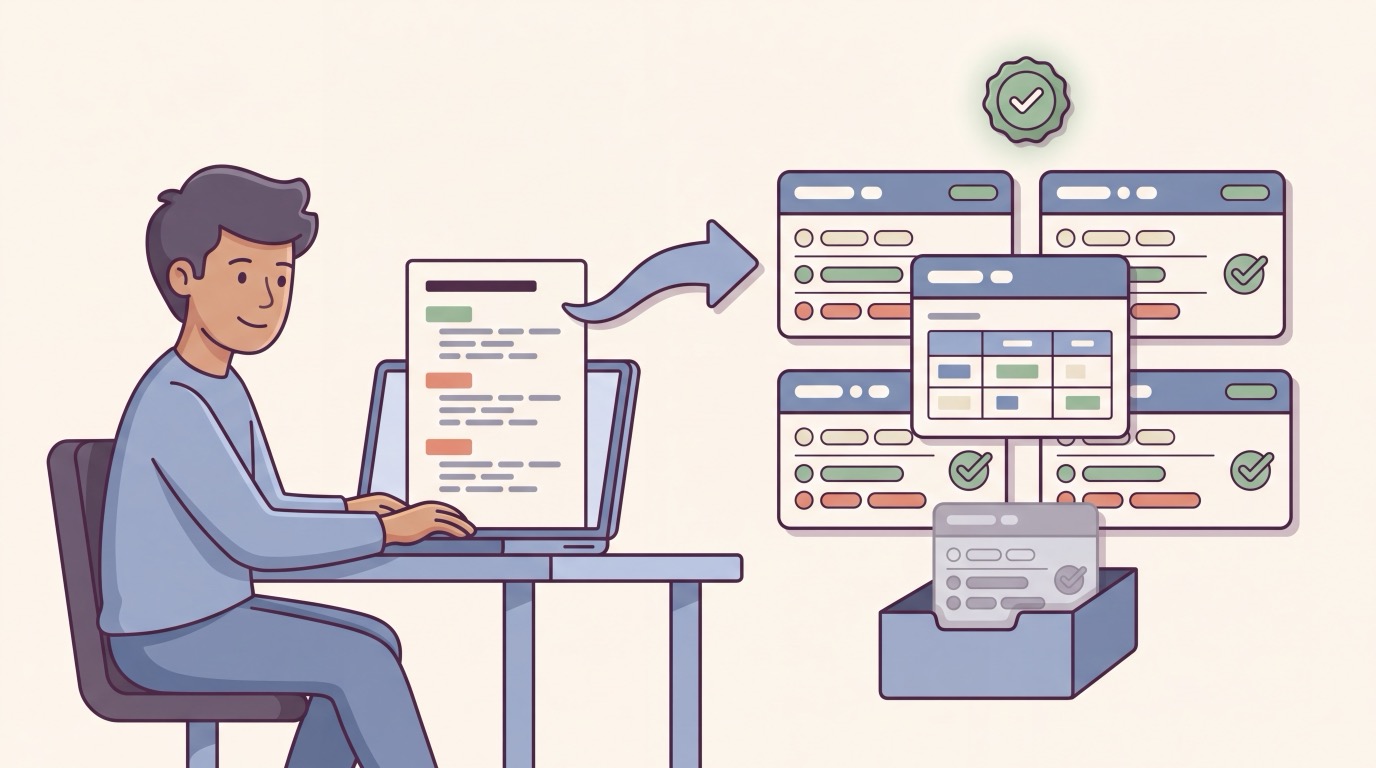
QA Copilot began by helping teams turn plain-English requirements into test cases and convert manual tests into automated scripts. That removes a major authoring bottleneck, but authoring is only one part of the release workflow.
Copilots assist with a task. Agents can carry a defined task through a controlled workflow.
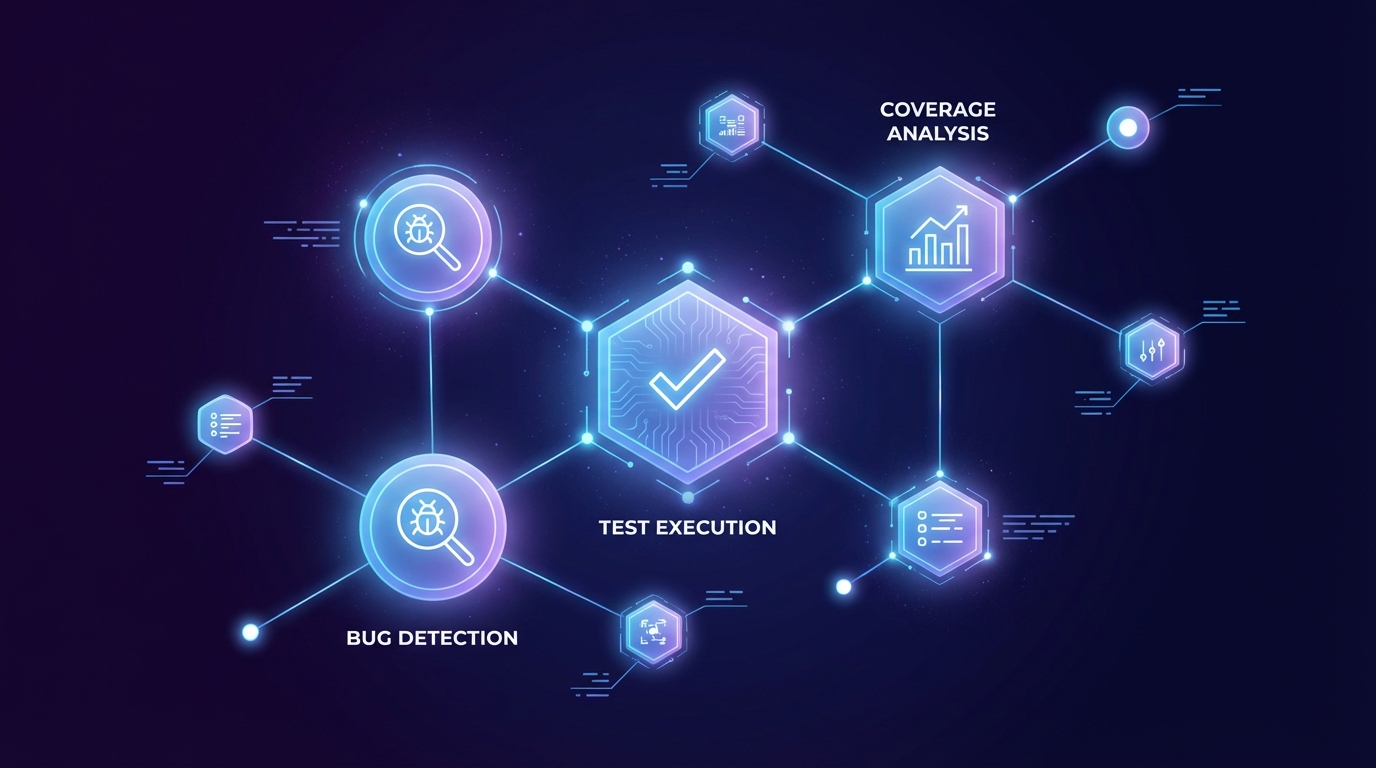
For software testing, that workflow has four parts:
- Understand the objective from a deployment, code change, requirement, risk, or policy.
- Select the approved checks and required baseline coverage for that objective.
- Execute and evaluate in the allowed environment with scoped access.
- Return evidence for a human decision, or apply a pre-approved release policy.
This focused model also makes results easier to evaluate. A regression agent should explain why it selected a test. A security agent should stay inside a safe, approved scope. A compliance agent should collect evidence without pretending to replace a qualified auditor. A technical SEO agent should identify a release regression without turning every warning into a blocker.
Human-Controlled Release Decisions
Autonomy without boundaries is not a quality strategy. TestCollab keeps the release decision with your team. We explain why in Agentic QA grew up, trust still needs a human go-ahead.
Teams can decide whether a finding informs a reviewer, opens a defect, waits for approval, or blocks a release. They can retain the configurations, model versions, runs, overrides, and approvals needed to understand how a decision was reached.
The result is not a black-box score. It is a repeatable workflow with a visible trail from objective to check, evidence, and outcome. Our hands-on QA agent walkthrough shows this model in practice with a curated TestCollab test plan and a real browser execution.
What Comes Next
The directory is the starting point for matching specialist agents to real release workflows. We are working with teams to define which checks should run, how they should be triggered, what evidence reviewers need, and where human approval belongs.
If your team has a repetitive quality check that slows down releases, we would like to map it with you.
See which autonomous QA agents fit your release workflow.